


• The Different Types Of Boat Insurance In Florida

    Florida, with its sunny skies and endless coastlines, is a boater’s paradise. Whether you’re cruising along the Intracoastal Waterway, fishing offshore, or enjoying a day out on a lake. Owning a boat in the Sunshine State is a dream come true for many. However, with all the fun comes the responsibility of protecting your investment and yourself. Understanding the different types of boat insurance in Florida is essential.  This will ensure you’re covered against the unexpected. In this article, we’ll explore the key boat insurance options available. Thus helping you navigate your choices with confidence.

    Understanding the Importance of Boat Insurance in Florida

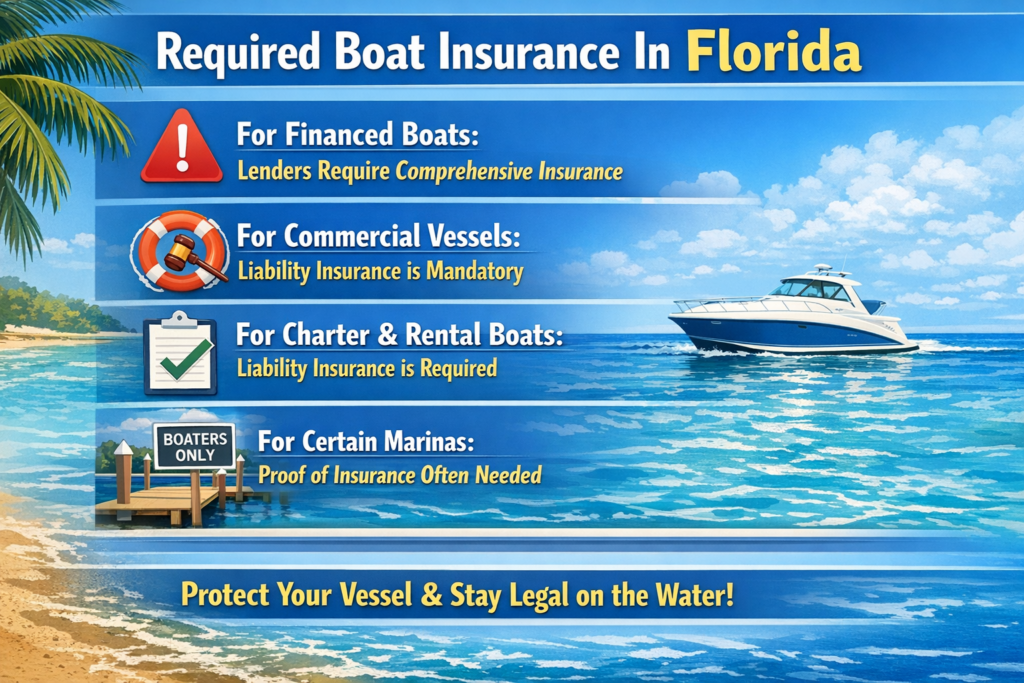
    Boat insurance in Florida is not just a legal requirement in some cases; it’s also a critical safeguard for your financial and personal well-being. Given the state’s popularity for boating, Florida waters are often crowded, and the risk of accidents—whether caused by unpredictable weather, other boaters, or unseen hazards—remains high. Additionally, hurricanes and tropical storms are a reality for Florida residents, which can lead to significant damage or even total loss of your vessel.

    While not mandated by law for all boats, many marinas require proof of insurance before allowing you to dock. Furthermore, if you have financed your boat, your lender will almost certainly require you to carry adequate insurance coverage. This ensures that, should anything happen, both you and the lender are protected against financial loss. Uninsured boaters also risk facing costly liabilities if they cause damage to property or harm to others.

    Boat insurance policies can cover a wide range of situations, from minor mishaps to major disasters. Florida’s unique boating environment means it’s particularly important to understand the different types of coverage available.  And which best suits your needs. Without proper coverage, an accident or storm could turn your boating lifestyle into a financial nightmare.

    Finally, boat insurance offers peace of mind. Knowing you’re protected allows you to enjoy your time on the water without worrying about the “what ifs.” Whether it’s liability protection, coverage for physical damage, or specialized policies for unique vessels, carrying the right insurance is a smart move.  

    Liability Coverage: Protecting Against Accidents and Injuries

    Liability coverage is the cornerstone of any boat insurance policy. In Florida, where waterways are busy and accidents are not uncommon, this coverage protects you financially. Medical payments, legal fees, and repair costs can add up quickly, and liability insurance ensures you’re not left footing the entire bill.

    Typically, liability insurance includes two main components: bodily injury liability and property damage liability. Bodily injury covers costs related to injuries suffered by others. Such as medical expenses or lost wages, while property damage liability pays for repairs to another boat, dock, or other structures you may accidentally harm while boating. This coverage is especially crucial in Florida, where a simple mishap can result in expensive claims or even lawsuits.

    The minimum recommended liability limits can vary, but many experts suggest carrying at least $100,000 in coverage. However, given the high value of many boats and the potential medical costs involved in accident cases, many Florida boaters opt for higher limits.  Or even umbrella policies that provide additional protection above and beyond standard liability limits.

    It’s also important to note that liability coverage does not protect your own boat against physical damage. Instead, it’s designed to shield you from third-party claims. If you want to ensure your own vessel is protected, you’ll need to consider additional types of coverage. Such as comprehensive or collision insurance.

    Comprehensive Boat Insurance: Coverage for All Risks

    Comprehensive boat insurance is designed for those seeking broader protection beyond basic liability. This type of coverage protects your boat against a wide range of risks, including theft, vandalism, fire, storm damage, and other non-collision-related perils. For Florida boaters, who often face severe weather and high rates of theft, comprehensive insurance can be a wise investment.

    A comprehensive policy typically covers physical damage to your own boat, including the hull, engine, and onboard equipment. If your vessel is damaged or destroyed by a covered event, your insurer will help pay for repairs or replacement, up to the policy’s limits. This is particularly valuable in Florida, where hurricanes and tropical storms can cause extensive and costly damage.

    In addition to natural disasters and theft, comprehensive boat insurance may also cover incidents like sinking, striking a submerged object, or damage during transport. Some policies even include coverage for personal items on board, such as fishing gear, electronics, or watersports equipment. This added layer of protection ensures that you’re not left out of pocket after an unexpected event.

    When shopping for comprehensive boat insurance in Florida, pay attention to specific policy exclusions and deductibles. Some policies may exclude certain types of losses, like wear and tear or mechanical breakdowns. While others may require higher deductibles for hurricane-related claims. Always read the fine print and discuss your options with an experienced insurance agent to ensure you’re fully protected.

    Specialized Insurance for Personal Watercraft and Yachts

    Florida’s diverse boating community includes owners of everything from speedy Jet Skis to luxurious yachts. Standard boat insurance policies may not offer adequate coverage for these specialized vessels. That’s where specialized insurance comes in, providing tailored protection for personal watercraft (PWCs) and luxury yachts.

    Personal watercraft, such as Jet Skis and WaveRunners, are popular for their agility and adrenaline-pumping fun, but they also come with distinct risks. Specialized PWC insurance typically covers liability, physical damage, and medical payments. As well as theft and vandalism. It may also include coverage for towing and assistance. Given the higher likelihood of breakdowns with these smaller vessels.

    Yacht insurance, on the other hand, is designed for larger, more valuable vessels that require higher liability limits and broader coverage options. Yacht policies often cover a wide range of risks, including crew liability, coverage for navigation in international waters, and protection for expensive onboard equipment. Policies can also include “agreed value” coverage, ensuring you receive a predetermined payout if your yacht is declared a total loss.

    Both PWC and yacht insurance can be customized with add-ons such as coverage for trailers, fishing gear, or special navigational areas. If you own a personal watercraft or a luxury yacht in Florida, working with an insurer experienced in these vessels will ensure you have coverage tailored to your unique needs. 

    Tips for Choosing the Right Boat Insurance in Florida

    Choosing the right boat insurance in Florida requires careful consideration of your vessel type, how you use it, and your budget. Start by assessing the value of your boat and the risks you face. For example, if you primarily boat in hurricane-prone areas or leave your vessel stored at a marina, prioritize policies with strong storm and theft protection.

    Next, compare coverage options from multiple insurers. Look for policies that offer comprehensive protection, but also pay attention to exclusions, deductibles, and claim processes. It’s wise to select an insurer with a solid reputation for customer service and claims handling. This can make a significant difference if you ever need to file a claim.

    Consider bundling your boat insurance with other policies, such as home or auto insurance, for potential discounts. Many insurers offer multi-policy discounts, which can help lower your overall premium costs. Be sure to ask about available discounts for safety equipment and boating safety courses. Finally, review your policy annually and update your coverage as needed. Changes in how you use your boat, new equipment purchases, or increased risks (such as moving to a new marina) may necessitate adjustments to your policy. By staying proactive and informed. You can ensure your boat insurance always matches your needs and provides optimal protection on Florida’s beautiful waterways.

    Conclusion

    Florida’s vibrant boating culture offers countless opportunities for adventure and relaxation, but it also comes with unique risks that demand proper protection. By understanding the different types of boat insurance available—liability, comprehensive, and specialized policies for personal watercraft and yachts—you can make informed decisions that safeguard your vessel, your finances, and your peace of mind.  

  • How to get a good insurance quote in Miami

    Finding the right home insurance in Miami can be challenging. The city’s unique weather and location often mean higher insurance rates than other parts of the country. If you want to protect your home without overpaying, you need to know how to get a good quote. By understanding the local insurance market, you can save money and avoid surprises. This article will guide you through the key steps to getting the best Miami home insurance quote.

    Understanding the Factors That Affect Insurance Quotes

    Home insurance quotes in Miami can vary widely from one house to another. The location of your home is a major factor, especially since Miami is prone to hurricanes and flooding. Insurance companies look carefully at how close your house is to the coast or a flood zone. The age and condition of your property also play a big role. Older homes or those with outdated roofs and plumbing may cost more to insure.

    Insurance providers also consider your credit score and past claims history. If you have made several insurance claims in recent years, you might see higher rates. Companies use this information to decide how much risk you represent as a policyholder. In Miami, certain building materials and protective features like hurricane shutters or impact windows can also affect your quote. The more you invest in protecting your home, the lower your insurance costs can be.

    Lastly, the coverage limits and deductibles you select will influence your quote. If you want a policy with a low deductible and high limits, expect to pay more. On the other hand, choosing a higher deductible can help lower your monthly premium. It is important to balance what you can afford with the level of protection you want for your home. Understanding these factors helps you make informed choices when requesting quotes.

    Comparing Miami Home Insurance Providers Effectively

    Finding the best insurance provider in Miami starts with research. Many companies offer home insurance in the area, but not all have the same coverage, customer service, or financial stability. Start by making a list of reputable providers who specialize in Florida homes. Look for reviews from other Miami homeowners and check ratings from independent agencies. These resources help you avoid unreliable companies and find ones that fit your needs.

    Next, request quotes from at least three different providers. When you compare quotes, make sure you are looking at similar coverage levels and deductibles. Some companies might offer lower prices but provide less protection or fewer benefits. Ask questions about what is included in the policy, such as coverage for windstorms, flood damage, or theft. Miami’s weather makes these features especially important.

    Finally, pay attention to the details of each offer. Look for discounts that may apply to your situation, such as bundling home and auto insurance. Some providers offer lower rates if you install security systems or make your home more storm-resistant. Take your time to compare not just the price, but also the reputation and customer support of each company. This approach will help you choose a policy that keeps your home safe and your budget comfortable.

    Tips to Secure the Best Quote for Your Home

    Getting the best home insurance quote in Miami often means being proactive. Start by gathering all the information you need before contacting providers. Details about your home’s age, construction materials, safety features, and any recent upgrades can help companies give you more accurate estimates. Make a note of any improvements that reduce risk, such as a new roof or hurricane shutters.

    Take advantage of available discounts whenever possible. Many Miami insurers reward homeowners who invest in protective measures or combine multiple policies. You may also qualify for savings if you have a good credit score or a claim-free history. Ask each provider about their discount options and how you can maximize your savings. Every little bit can add up to a more affordable premium.

    Finally, review your coverage needs carefully before accepting a quote. It is tempting to go for the cheapest policy, but you do not want to be underinsured. Make sure your policy covers not only the structure of your home but also your personal belongings and liability. If you live in a flood-prone area, consider additional flood insurance. Taking these steps ensures you get a fair quote and the right protection for your Miami home.

    Securing a good home insurance quote in Miami is possible with the right approach. Start by understanding the local factors that affect your rates, from weather risks to your home’s age and features. Take the time to compare multiple providers and do not be afraid to ask questions about what each policy includes. Look for discounts and take steps to make your home safer, which can lower your premium and give you peace of mind. Remember, the cheapest option is not always the best, especially in a place like Miami where weather events can be severe. Protecting your home means choosing coverage that matches your needs and budget. By following these steps and being thorough in your research, you can find an insurance policy that gives you confidence in any season.


  • How to Find Cheap Miami Car Insurance and Save Money

    Finding cheap Miami car insurance is a genuine concern for many drivers. The city’s vibrant lifestyle comes with busy roads and unique insurance challenges. Saving money on car insurance in Miami is possible with the correct information and an innovative approach. It is essential to understand what factors affect prices, how to compare policies, and which mistakes to avoid. This guide will help you navigate the Miami car insurance market and keep more money in your pocket.

    Understanding Miami’s Unique Car Insurance Market

    Miami is known for its bustling streets and heavy traffic. This environment contributes to higher risks, ultimately leading to higher insurance premiums for drivers. The city’s location in a hurricane-prone region also significantly influences the cost of car insurance. Insurance companies factor in weather risks, theft rates, and accident statistics when setting their rates in areas like Miami.

    In addition to weather and traffic, Miami has a diverse population and a large number of uninsured drivers. This combination can lead to an increase in claims and higher costs for all parties involved. Insurers respond by raising prices to cover these potential losses. Drivers in Miami may find that their premiums are higher than the national average, even if they have a clean driving record.

    State laws in Florida require all drivers to have a minimum amount of personal injury protection and property damage liability coverage. These requirements can add to the cost but are necessary for legal driving. Understanding these factors is the first step toward finding affordable car insurance. Knowing what influences Miami’s insurance market helps you make more intelligent choices when shopping for coverage.

    Tips to Compare and Choose Cheap Miami Car Insurance

    Begin your search by obtaining quotes from multiple insurance companies. Florida Insurance Quotes uses its formula to determine rates so that prices can vary widely even for the same driver. It is smart to use their online comparison tool. These resources can offer options you might not have discovered on your own.

    When comparing policies, look at more than just the monthly premium. Evaluate the deductibles, coverage limits, and any discounts offered. Sometimes a slightly higher deductible can lower your monthly cost without sacrificing protection. Take note of add-ons, such as roadside assistance or rental car coverage, which can also affect your price.

    Do not rush the decision. Take time to read customer reviews and ask questions about each policy. Some insurers offer loyalty discounts or bundle deals if you combine auto with home insurance. By being thorough and patient in your search, you can find a policy that meets your needs and fits your budget in Miami.

    Common Mistakes That Make Car Insurance Expensive

    Failing to shop around is one of the biggest mistakes drivers make. Many people renew their policies year after year without checking if better rates are available. Insurance companies often change their pricing, and new competitors enter the market regularly. Overlooking these changes can mean you pay too much for the same coverage.

    Another common mistake is not taking advantage of available discounts. Many insurers offer discounts for activities such as safe driving, installing anti-theft devices, or completing defensive driving courses. Missing out on these discounts can add unnecessary costs to your premium. Always ask your insurer about every possible way to lower your bill.

    Some drivers choose the minimum required coverage to save money, but this choice can backfire. If you are involved in an accident, inadequate coverage can result in significant out-of-pocket expenses. Taking time to understand your needs and adjusting your policy wisely can help you avoid costly surprises in the future.

    Proven Ways to Lower Your Miami Car Insurance Costs

    Improving your driving habits is a proven way to lower your insurance rates. Safe drivers with clean records almost always pay less for coverage. Avoiding tickets and accidents will gradually reduce your premiums over time. Some insurers even offer programs that track your driving and reward you for safe behavior.

    Increasing your deductible is another effective way to reduce your insurance costs. A higher deductible means you will pay more out of pocket if you file a claim, but your monthly payment will be lower. This option is best suited for cautious drivers who do not anticipate making frequent claims. Ensure the deductible is an amount you can afford in the event of an accident.

    Bundling your policies can also save you money. Many insurance companies offer discounts when you combine auto insurance with other policies like homeowner’s or renter’s insurance. Paying your premium in full instead of monthly installments and maintaining continuous coverage can also help you qualify for better rates. By taking these steps, you can make Miami car insurance more affordable.

    Conclusion

    Finding affordable Miami car insurance is not impossible if you know where to look and what to look out for. Understanding how Miami’s unique environment impacts rates is the first step. Comparing multiple policies and asking about discounts can help you avoid overpaying. Do not overlook common mistakes, such as failing to shop around or skipping essential coverage. Simple actions, such as bundling policies, can lead to significant savings. Remember to review your policy annually or after any significant life changes. Staying informed will help you keep your car insurance costs under control in Miami. With these tips, you are well on your way to saving money while staying protected on the road.


About Us section